





































For men and women who want to release shoulder pain, move better,
and feel comfortable in their body again

For men and women who want to release shoulder pain, move better, and feel comfortable in their body again


Revealed on this page:

Revealed on
this page:

arrow

The overlooked root cause that quietly controls how free or tight your shoulders feel (and why most treatments miss it entirely)...

arrow

Why traditional stretches often backfire and what to do instead...

arrow

A surprising approach that helps restore shoulder ease and fluidity in just minutes even if nothing else has worked.

This is a window.

When you open it, there’s no struggle, no creaks, just a smooth, silent glide.

That ease, that effortless motion?

That’s what your shoulders should feel like.

Flexible…fluid… fully mobile.

When you reach for your sunglasses, it’s effortless.

When you slip into a soft, breezy shirt, it feels like it’s second nature.

And when you lift your bag, it feels light, like the wind might carry it for you

arrow

arrow

But when your shoulders are tight?

They feel like windows that won’t budge.

Heavy. Stiff. Hinges rusted with tension.

When you push hard, your shoulders squeeze back, stuck.

You stretch, twist, hold, and wait for something to release. It doesn’t.

They tighten right back up like nothing happened.

Many Men and Women,
Ages 35 to 65+, Deal
With Tight Shoulders
Daily
At Desks, in Gyms,
and Even During
Recovery

Many Men and Women, Ages 35 to 65+, Deal With Tight Shoulders Daily At Desks, in Gyms, and Even
During Recovery


They have frozen shoulder, rotator cuff pain, and that deep, stubborn tightness that never fully lets go.

Shoulder pain like frozen shoulder and rotator cuff tightness silently affects millions of adults every year...

Especially those in their 40s to 60s, with rates spiking as high as 1 in 5 among people with diabetes or thyroid issues.¹⁶

Some days, it feels manageable...

Other days, even reaching behind their back to grab a seatbelt or pull on a shirt sparks a sharp wince.

They start avoiding certain movements...

Lifting groceries with one hand. Skipping overhead presses. Sleeping on the opposite side to dodge the ache.

They’ve tried PT, foam rollers, and even injections. Still, nothing sticks.

And it’s not just frustrating… it’s confusing.

Lifting groceries with one hand. Skipping overhead presses. Sleeping on the opposite side to dodge the ache.

They’ve tried PT, foam rollers, and even injections. Still, nothing sticks.

And it’s not just frustrating… it’s confusing.

Why do some shoulders stay locked no matter
how much you stretch them?

Why does everything you try give only momentary relief,
before the tension comes roaring back?

What if you can’t move the way you used to?

There’s a reason your shoulder won’t let go.

And no…

It’s not just some vague “muscle tightness” excuse.

The Real Reason Your Shoulders Stay Tight
And Why Nothing Seems to Work

The Real Reason Your Shoulders Stay Tight
And Why Nothing Seems to Work

What begins like a rusty hinge, tight and squeaky, soon hardens into something else entirely. It’s more like armor that is quiet, automatic, and heavy.

Your body was built to shield you from harm.

When it senses stress, stillness, or shallow breath, it responds fast.

Not with pain at first, but with tension.

It gathers in your shoulders, neck, and spine like armor you didn’t ask for.

It locks you up without permission and doesn’t let go easily.

It happens slowly, almost invisibly, until one day you notice the stiffness.

You feel like you’re bracing for something that already passed.

And science has known this for years.

But the truth got buried beneath trendier fixes and short-term relief.

Top Scientists Say Your Shoulder Pain
Isn’t Just About the Muscles and Joints at All

Top Scientists Say Your Shoulder Pain
Isn’t Just About the Muscles and Joints at All

Harvard researchers, along with teams from other leading universities, uncovered something strange.

A hidden system buried deep in the body that is rarely discussed.

But it plays a critical role in shoulder tightness, and most people have no idea it exists.

So if your shoulders feel like they’re bracing for impact?

They are.

And the more you resist this hidden system, the tighter it holds

arrow

But You Don’t Need To Push More or Stretch Deeper

But You Don’t Need To Push More or Stretch Deeper

bg-shoulder

Because the real issue?

It’s not your flexibility.

What your body’s waiting for is a signal…

A subtle shift that says...

“You’re safe.”

It’s the exact signal being activated by this new, gentle shoulder flow developed by a world-renowned pain and injury specialist and a movement expert.

They uncovered it after digging through scientific research.

bg-shoulder

This Tiny Shift Signals the Hidden Automatic Shield
to Let Go And It’s Way Simpler Than You Think

Here’s what they discovered...

arrow

You don’t need gear, special clothes, or a trip to the clinic

arrow

You don’t need complicated routines or intense workouts

arrow

You just need simple, gentle movements—done the right way

arrow

Only 15 minutes a day

arrow

Done at home

And once your body picks up that signal?

And once your body picks up that signal?

bg-shoulder

The grip starts to fade.

Muscles stop guarding.

And tension that’s been stuck for years begins to let go.

For the first time in a long time, your shoulders stop bracing.

They start releasing.

bg-shoulder
bg-shoulder
★★★★★

I finally slept on my side again. No sharp pull in my shoulder. First time in over a year I didn’t wake up halfway through the night. Total game-changer.

Tina L., Vancouver

✔ VERIFIED CUSTOMER

bg-shoulder
★★★★★

Ten minutes in, I felt my chest lift and my shoulders relax. It was like something deep inside just let go. I’ve done massage and physio, but this felt different. My body actually exhaled..

Jamie R. , Georgia

✔ VERIFIED CUSTOMER

bg-shoulder
★★★★★

I didn’t realize how much I was holding until it started to melt. Years of tension from stress and desk work. This didn’t fight my body. It calmed it. And suddenly, I could move again.

Maya D., Texas

✔ VERIFIED CUSTOMER

This Gentle Shoulder Flow Is For You If…

arrow arrow
arrow

You sit for long hours, and your upper body feels locked in place

arrow

You’ve tried foam rollers, PT, and posture hacks that never last

arrow

You’re tired of carrying tension that refuses to leave, no matter how much you stretch

arrow

You’ve started avoiding lifting, dressing, or chores because of nagging shoulder pain

arrow

You’re scared this pain could lead to surgery, stiffness, or losing your independence

This gentle flow works not by fighting your body…but
by reminding it of something it’s forgotten…

It’s safe to let go.

If you’ve been stuck in defense mode long enough….

There’s a different way forward… lighter and faster.

Keep reading to find out.

shoulder-left-img
shoulder-left-img shoulder-left-img

That’s why the new, science-backed, gentle shoulder flow stood out.

Because shoulder tension doesn’t feel serious at first.

It just shows up.

A little tightness here. A bit of stiffness there.

Easy to ignore… until it’s not.

Hi, I’m Stephanie

Most days, I’m glued to a screen.

Working. Replying. Rushing through the little things.

Like a lot of people, I try to stay active when I can, but I don’t chase trends or overcomplicate things.

That’s why the new, science-backed, gentle shoulder flow stood out.

Because shoulder tension doesn’t feel serious at first.

It just shows up.

A little tightness here. A bit of stiffness there.

Easy to ignore… until it’s not.

In this presentation, you’ll see how something that seems small can quietly start to affect everything.

And more importantly, what you can do to stop it before it gets worse.

Tight Shoulders Might Seem Like Just Another Part Of Getting Older, But Sometimes, They Aren’t

It’s not about being out of shape. Or not knowing your body. Or not taking care of it.

But one day, something feels off. And it doesn’t go away.

It can start in your shoulders.

Especially for those who sit most of the day…

Head down, locked into work, hunched over a laptop.

At first, the tension feels harmless.

A stiff neck. Maybe some brain fog.

Then it builds. Quietly. Until it doesn’t.


You Don’t Realize How Much You Miss Feeling Like
Yourself… Until You Do

You Don’t Realize How Much You Miss Feeling Like
Yourself… Until You Do

You don’t think about your shoulders until they start limiting your life.

Carrying a bag. Reaching up. Sleeping on your side without jolting awake.

At one point, it was just… easy.

Then something shifts.

Not all at once. Not in a dramatic “I pulled something” kind of way.

It sneaks in.

arrow

You don’t think about your shoulders until they start limiting your life.

Carrying a bag. Reaching up. Sleeping on your side without jolting awake.

At one point, it was just… easy.

Then something shifts.

Not all at once. Not in a dramatic “I pulled something” kind of way.

It sneaks in.

Maybe you feel a little pinch getting out of the car.

Maybe your arm doesn’t quite stretch like it used to.

Then one day, you realize you're hesitating...

Reaching carefully.

Moving like your body’s planning an exit route before every motion.

And now?

Even reaching for something behind you can make your whole shoulder light up.

You stop mid-motion, wincing.

arrow

You Start Thinking In Rules

arrow

Don’t reach too far. Don’t twist.

Use the other arm if you can.

And sure, it doesn’t mean you’re old. Or fragile.

But it feels that way. And that’s enough to rattle you.

Things you didn’t think twice about suddenly go missing without warning.

Conversations at dinner where you Stiffen just to pass the salt.

Turning down hugs because you’re afraid they’ll hurt.

Skipping social plans because you don’t want to explain your pain...again.

Everyone Had Advice And None of It Helped.

Maybe you’ve already tried:

arrow

Physical therapy, stretching routines, or that shoulder brace from Amazon

arrow

The oddly-shaped massage ball everyone swears by

arrow

A fancy ergonomic pillow that promised better alignment

arrow

That posture app that buzzes every time you slump

arrow

Heat packs, rest days, anti-inflammatories — the whole “take it easy” approach

arrow

You followed every suggestion like a checklist. Hoping one of them would finally work.

And still... the pain lingers. Maybe even worse than before.

This Is A Pattern Many People Go Through

arrow arrow

Weeks turned into months. Every fix promised relief.

None of it stuck.

No one ever paused to ask why it was happening in the first place. They just kept offering the same shallow advice.

And when you’re doing everything "right" and still hurting?

It messes with your head.

You start wondering if something’s wrong with you.

You start wondering if something’s wrong with you.

This kind of frustration is common.

It can feel exhausting, like crossing some invisible line where things just don’t return to how they used to feel.

Not broken. Just stuck.

As if the body is sending a message that no one has quite translated yet.

And Then Came The Part No One Really Talks About…
Disappointment...

Not at the discomfort.

But how the system keeps offering surface-level fixes.

The experts who don’t ask deeper questions.

The polite handouts full of “maybe try this.”

The quiet expectation to simply accept it.

Sometimes, it’s not another tip that’s needed.

It’s real answers.

Not the generic kind.

But something that explains what’s actually going on underneath it all.

Because stretching harder doesn’t always help.

And neither does pretending it will just go away.

arrow

Why is the tension there in the first place?

arrow

We do everything “right.”

We follow the instructions.

We’re smart, capable, and committed.

But sometimes the body’s not asking for another gadget or routine.

Sometimes it’s asking for someone to actually listen.

Finally, People Who Truly Understood
What Was Going On

Maybe this has happened to you.

Someone says something that puts your experience into words…

Something you’ve been carrying around for months but couldn’t explain…

And suddenly everything makes sense.

That’s the shift many describe after discovering the work of Rick and Becca.

They weren’t treating the shoulder like a broken part to be fixed.

They were asking a different kind of question.

One you might not have heard either…

Meet the Experts

bg-shoulder

Rick Kaselj, MS

  • Injury specialist with over 25 years of experience helping thousands of people across the globe eliminate pain and recover from injuries through exercises
  • Has conducted thousands of personal training, injury prevention, and pain-reduction sessions.
  • Has reviewed and carefully scrutinized hundreds of scientific and medical research papers and studies
  • Has been a practicing Registered Kinesiologist for 25+ years
  • Spent 6 years at university studying Kinesiology, Corrective Exercise, and Therapeutic Exercise
  • Master’s Degree in Exercise Science
  • Author and speaker who has given over 260 presentations to more than 5000 fitness professionals across Canada and the USA
bg-shoulder

Rebecca Stanley

  • Fitness & Health Promotion Diploma
  • Massage Therapy Diploma
  • Nutritional Therapy Certification
  • E-YRT-500 Yoga Alliance Certification in Therapeutic Yoga and Vinyasa
  • YRT-CE Certified Yoga Alliance Continuing Education Provider
  • Zero Gravity Yoga Certification
  • Lead trainer for Yoga Alliance RYT-200 Teacher Trainings
  • Pain Management Educator
  • 20 years of teaching experience

Your body isn’t failing you,
It’s keeping you safe.

Your shoulders are not tight because you’re aging.

Your shoulders are stiff because your body thinks they’re under threat, and they are protecting you.

This just explains so much.

Many people with tight shoulders aren’t weak, and they aren’t doing anything wrong.

Their body has just been in defense mode.

Tensed up, holding on, waiting for something to feel safe again.

And here’s the thing, maybe you’ve been there too.

You stretch. You move carefully. You try to follow the plan.

But nothing works, and you wonder if your body’s just stuck.

But hearing it framed in another way? It cracked something open.

Maybe the issue isn’t how hard we’re working to fix the pain.

Maybe it’s how much safety the body needs before it’s ready to let go.

That’s the piece that’s often been missing.

And when it clicks, things start to shift.

bg-shoulder

Here’s What No Doctor or YouTube Coach Ever Said…

“Stretching isn’t always the solution. Sometimes it’s the thing keeping you stuck.”

That idea challenges everything that we’ve been taught.

But Rick and Becca introduced a new way of thinking.

Too much stretching can sometimes signal a threat.

And when the body feels threatened, it may lock down even harder.

Which begs the question, what’s actually the trigger?

arrow

The goal isn’t always to stretch more.

It’s to help the body feel safe enough to release what it’s been holding.

And when that shift lands, something softens.

Not just physically, but in the way daily movement feels.

That’s when hope often returns, not just because things feel better…

But because something finally feels possible again.

arrow

The Body Isn’t Broken. It’s Guarding.

Tension doesn’t always come from injury.

Sometimes, the body senses something, stress, stillness, even breath that’s too shallow…

And reacts, not with pain at first, but with protection.

It starts quietly...

A shoulder that tightens.

A neck that won’t fully release.

A breath that doesn’t land all the way in.

The pattern builds slowly, until even simple movement feels harder than it should.

What’s behind it isn’t always obvious.

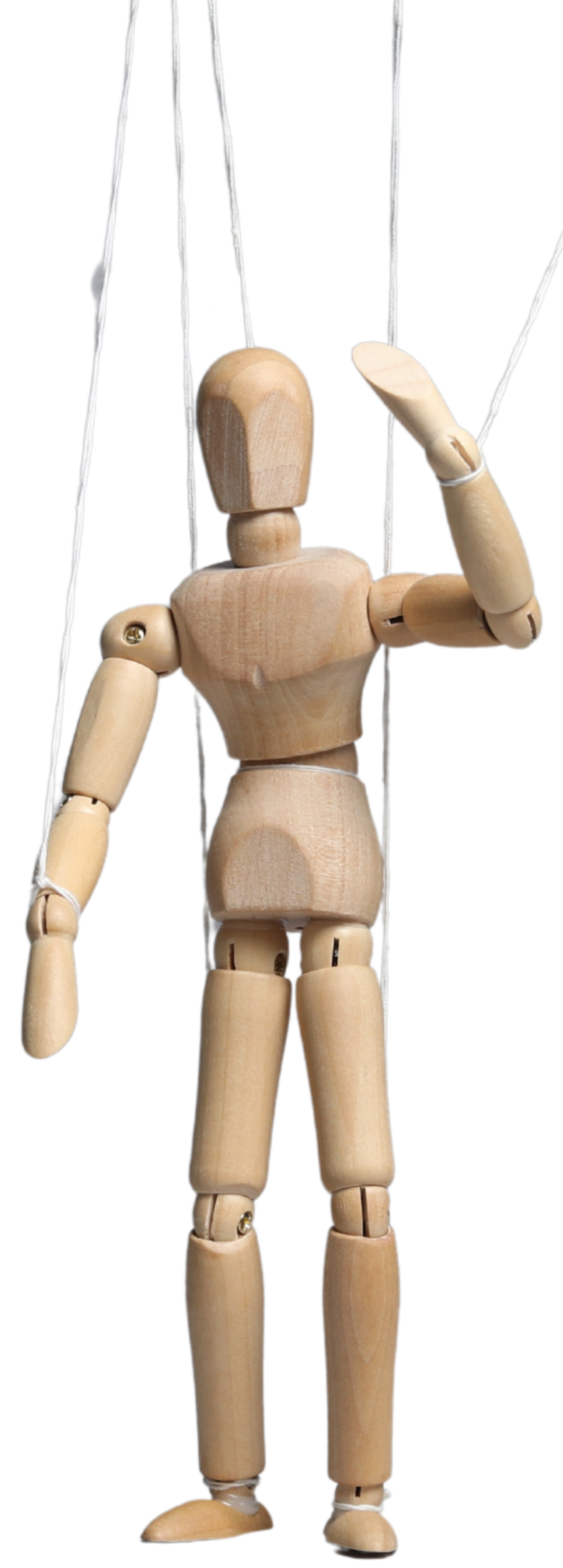
Something Inside Your Body is Still Pulling the Strings
And Researchers are Finally Starting to
Understand Why

Researchers from Harvard, Ulm University, and the University of Pittsburgh have all traced this protective response back to the same hidden system.¹

An automatic shield that lives deep beneath the muscles.

One that tightens, adapts, and holds on, even after the threat is gone.

And here’s the part that most people never hear...

This system isn’t passive.

It doesn’t wait for your permission.

It pulls the strings from the inside.

This is where everything started to make sense.

Because once that system gets activated, it doesn’t just create tension.

It keeps it there.

puppet
puppet

What’s The Automatic Shield Hidden in Plain Sight?

puppet

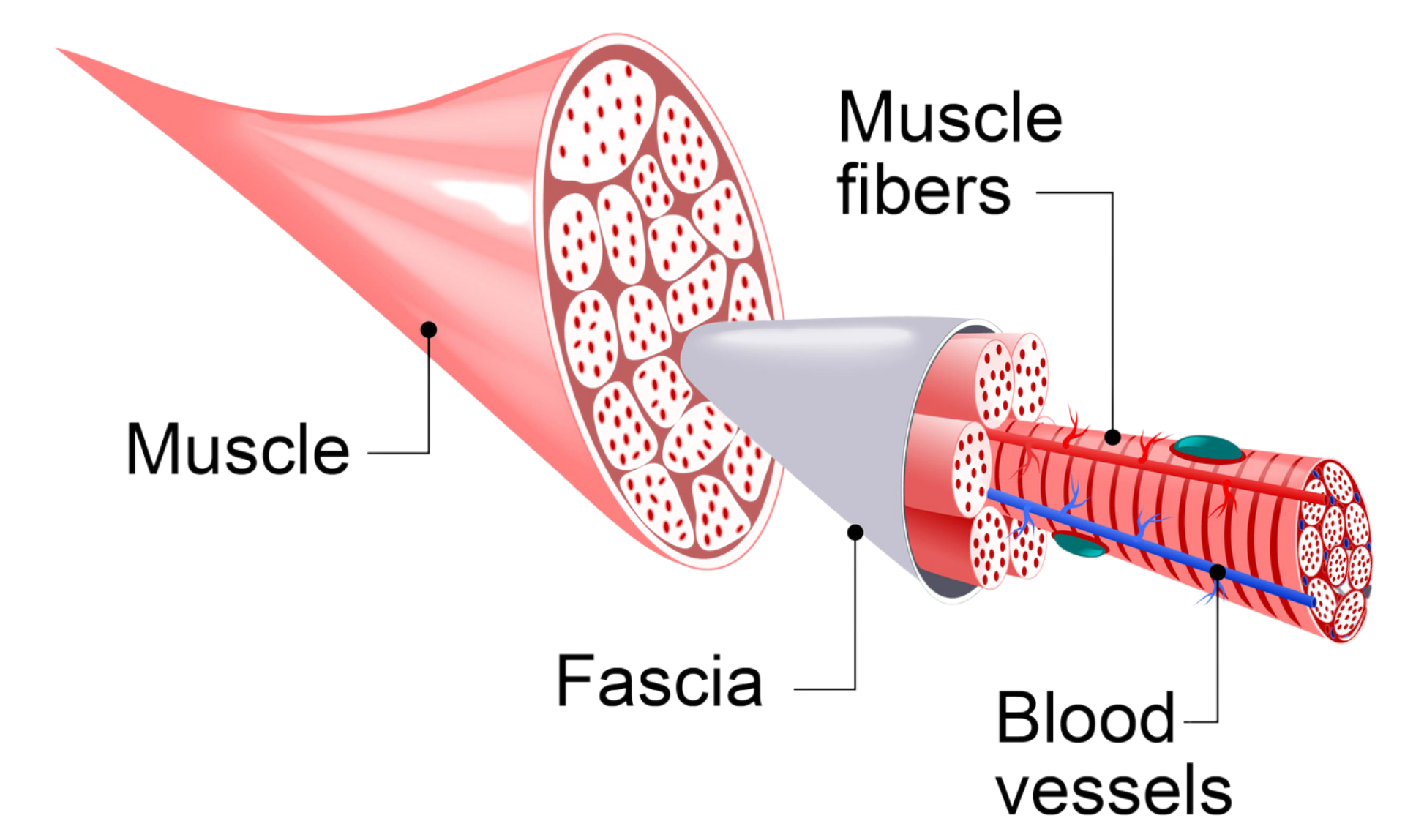
It’s fascia...

It is like a stretchy web that runs through your body.

It connects everything…

From your head and neck…

Down through your shoulders, arms, chest, and back…

All the way into your hips, thighs, and even your feet.

It helps your body stay in place and move more smoothly.

Even if you don’t notice it, fascia is always working.

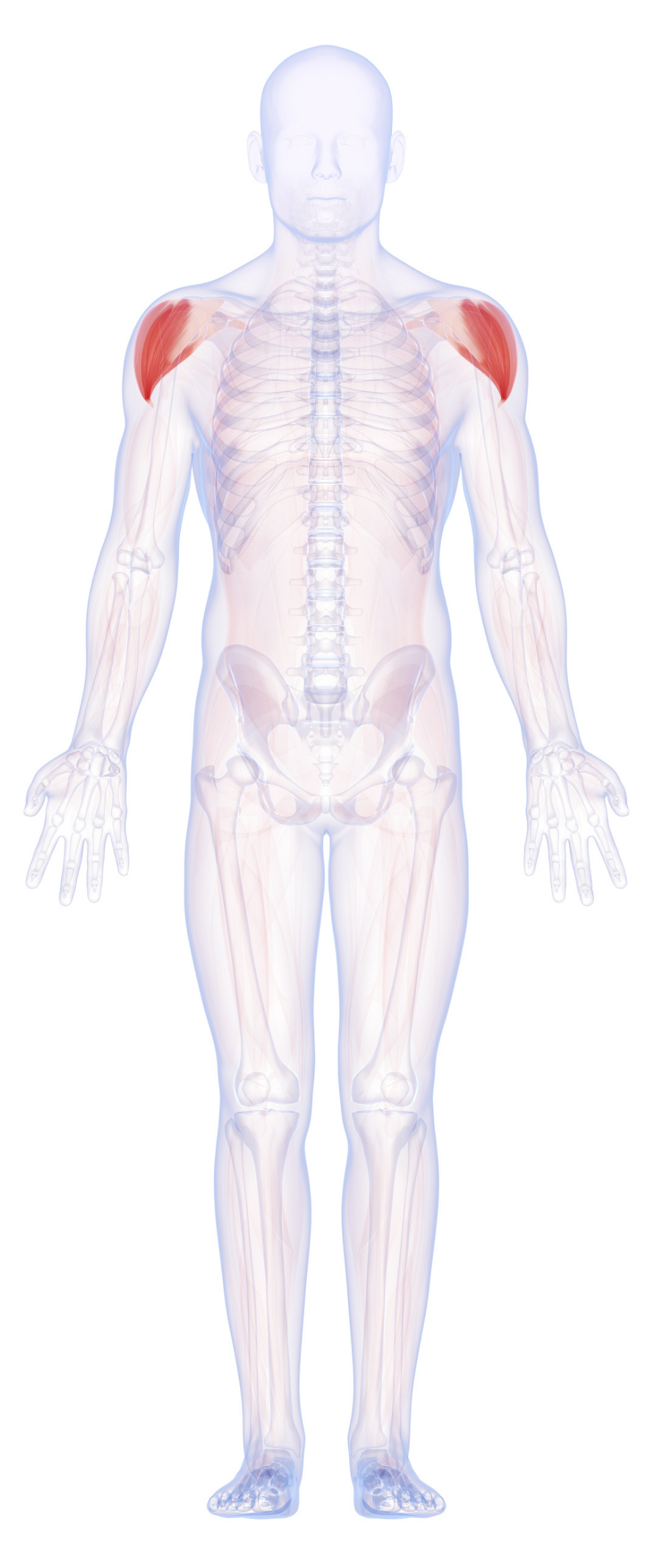
At the cellular level, fascia contains myofibroblasts, cells that behave like tiny fists. Under stress, they contract on their own².

This happens without conscious input.

Even during rest, these cells can grip down and reinforce a state of tension.

This helps explain why stiffness often persists, even when everything else appears “normal.”

puppet

Traditional mobility work may provide temporary relief, but if fascia is still interpreting a threat, the tension returns.

Stretching alone can’t resolve a system-wide signal.

Why Your Shoulders Stay Tense
Even When Nothing’s Wrong

Harvard research shows that fascia is more sensitive to pain than muscle and is deeply linked to the nervous system’s threat response³.

Once fascia clamps down, it doesn’t just pull on joints or limit movement. It amplifies discomfort.

It reinforces the body’s reflex to guard.

So the issue isn’t just physical restriction.

It’s a feedback loop.

As long as the system senses danger, even subtly, the body will keep bracing.

Even if nothing appears wrong from the outside.

checkup

The Pain Was in the Shoulder,
But the Problem Ran Much Deeper

That’s what Rick discovered.

The shoulder stayed tight because the rest of the system hadn’t let go yet.

It was in the body’s reflex to stay guarded.

A learned pattern. Reinforced over time.

One that most treatments overlook or fail to fully resolve.

The research backed it up:

arrow

Researchers from the Fascia Research Project in Germany found that a special kind of cell in your fascia can tighten up on its own when you’re stressed or still for too long, especially around the shoulder area⁴. This hidden tension build without you even realizing it.

tight shoulders
arrow

At UC Davis Health, studies showed that shallow breathing can cause your body to brace itself, keeping your shoulders tense even when you're resting⁵. It's like your system is stuck in defense mode.

arrow

Experts from the Polish Academy of Sciences found that the muscles and fascia in your upper shoulders and neck are some of the most pain-sensitive in your body⁶. That’s why even small tight spots can feel so overwhelming.

arrow

And at Hospital de Torrejón in Spain, doctors discovered that stiffness in the upper back and neck area doesn’t go away just by stretching⁷. Your nervous system has to relax before the tension will release.

Tight Shoulders Aren’t Asking for Pressure
They’re Asking for Safety

Most conventional approaches miss this.

They treat the symptom, the tightness, without addressing the signal that caused it.

When fascia is driving the response, pressure isn’t the fix.

The body needs safety.

It needs permission to release.

And that starts by changing the signal the nervous system receives.

That’s when the shield unlocks.

tight shoulders

What the Science Says: Here’s what most people never hear…

Fascia doesn’t behave like a muscle.

You can’t stretch it into submission or force it to open.

According to researchers at Ulm University⁸, it responds best to slow, sustained tension, especially when timed with breath and attention.

The goal isn’t to push. It’s to signal safety.

And that signal travels fast.

Fascia is packed with sensory receptors—more than muscle—and it’s connected directly to your nervous system.

It’s not just reacting to how you move. It’s picking up on how you feel.

Stretching Isn’t Enough When Fascia is in
Fight-or-Flight

One study in Frontiers in Neurology⁹ showed that fascia communicates with areas of the brain involved in emotional regulation.

Which means stress, overwhelm, or even subtle frustration can cause it to contract more.

This is why mobility work can backfire if the body still feels under threat.

It’s also why breath matters so much.

A clinical study out of Harvard¹⁰ found that diaphragm-targeted breathing improved shoulder range of motion more effectively than direct shoulder work.

Another paper published showed that releasing diaphragm tension produced even greater improvements¹¹.

And research in the Journal of Bodywork & Movement Therapies found that rhythmic, breath-linked movement helped fascia release more than traditional static stretching¹².

tight shoulders

The Turning Point?
When the Body Finally Feels Safe

More studies on full-body mobility practice rooted in breath and alignment echo the same story.

A trial focused on breast cancer survivors showed significant improvements in pain and mobility¹³.

Another paper found clearer alignment and reduced tension¹⁴.

A study on shoulder pain relief methods showed people gained more range of motion, felt less pain, and became more emotionally resilient¹⁵.

Across all of it, one message keeps coming through...

Fascia responds to safety.

When the body feels secure, physically and emotionally, everything starts to open up.

tight shoulders

Built to Move Smoothly...
How Two Experts Rewrote the Script

Rick began testing…

Instead of isolating muscle groups…

He started mapping movement through fascial chains.

He added breath pacing, gentle oscillation, and cues designed to signal safety rather than strain.

Then he brought in Becca.

She had spent over two decades guiding people through therapeutic movement and trauma-informed breathwork.

Her approach was quiet, but powerful, built on helping the body reconnect without pressure.

Together, they refined everything.

They tested variations. Adjusted transitions. Matched breath to rhythm.

tight shoulders

From Science to Shoulder Relief
How the Sequence Works

What emerged was a sequence that helped the shoulders finally stop guarding.

Over time, they distilled it to ten.

Ten positions, paced in a specific structure, that sent the right signals in the right order.

The result? Tension that had refused to budge finally began to release.

The method is pulled from established science:

check

Oscillatory breathwork and positional cues that support fascial release¹²

check

Diaphragm-focused mobility that improves shoulder range from the inside out¹¹

check

Neuromechanical signaling is shown to unlock fascia when the system feels safe⁸

check

And outcomes aligned with clinical trials in yoga, mobility, and pain reduction¹³¹⁴¹⁵

To Free the Shoulders,
You Have to Free the Whole Chain

They looked at the whole system to release the shoulders.

Spine. Core. Breath. Feet pressing into the floor.

How tension travels through fascia— not just where it lands.

The body’s web of tissue links everything.

Tight hips tug the upper back.

A locked rib cage holds the shoulder blades hostage.

Even shallow breathing keeps the fascia stuck.

So Rick and Becca built a sequence that speaks to the whole thing…

Mobilize the spine, free the ribs, engage the deep core and Breathe into safety.

That’s when the shoulders finally let go.

Not from stretching harder.

But because the body stopped bracing.

Every move you make. Every little change. Every breath. They all work together to tell you…

You are safe now.

The automatic shield loosens up.

tight shoulders

And when that message lands…

You wake up without that familiar pull holding you back.

You reach without flinching.

Move without second-guessing.

You grab the top shelf, hug without guarding, stand without shrinking.

Your body doesn’t resist — it remembers.

It moves like it trusts you again.

And for the first time in a long time, you do too.

That shift didn’t happen by chance. It’s a signal your body’s been waiting for.

hugging

Now it’s your turn to send it.

That’s the invitation your body’s been whispering all along...

To trust again, to release, to move with ease. And now, you have the perfect place to begin.

Introducing

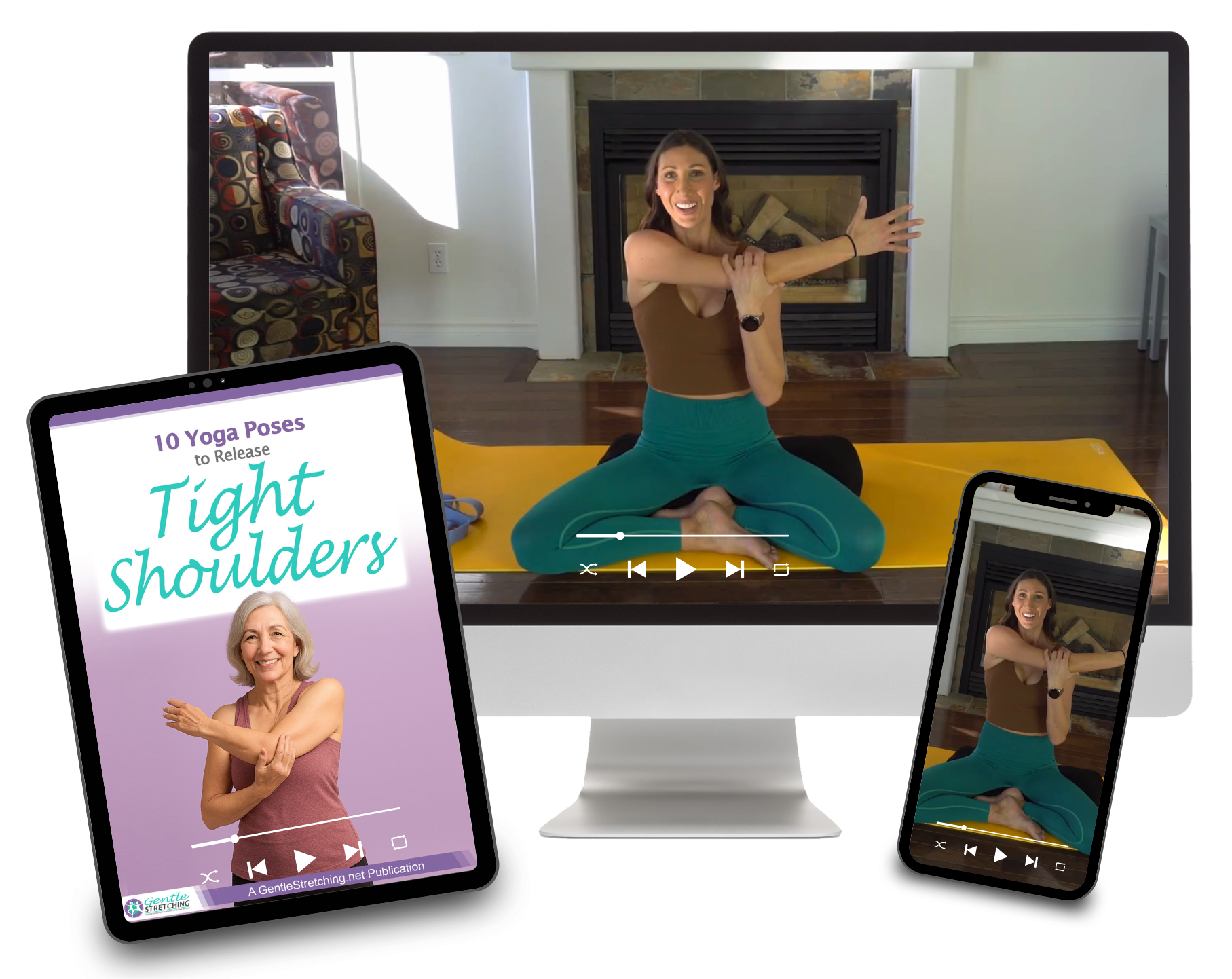
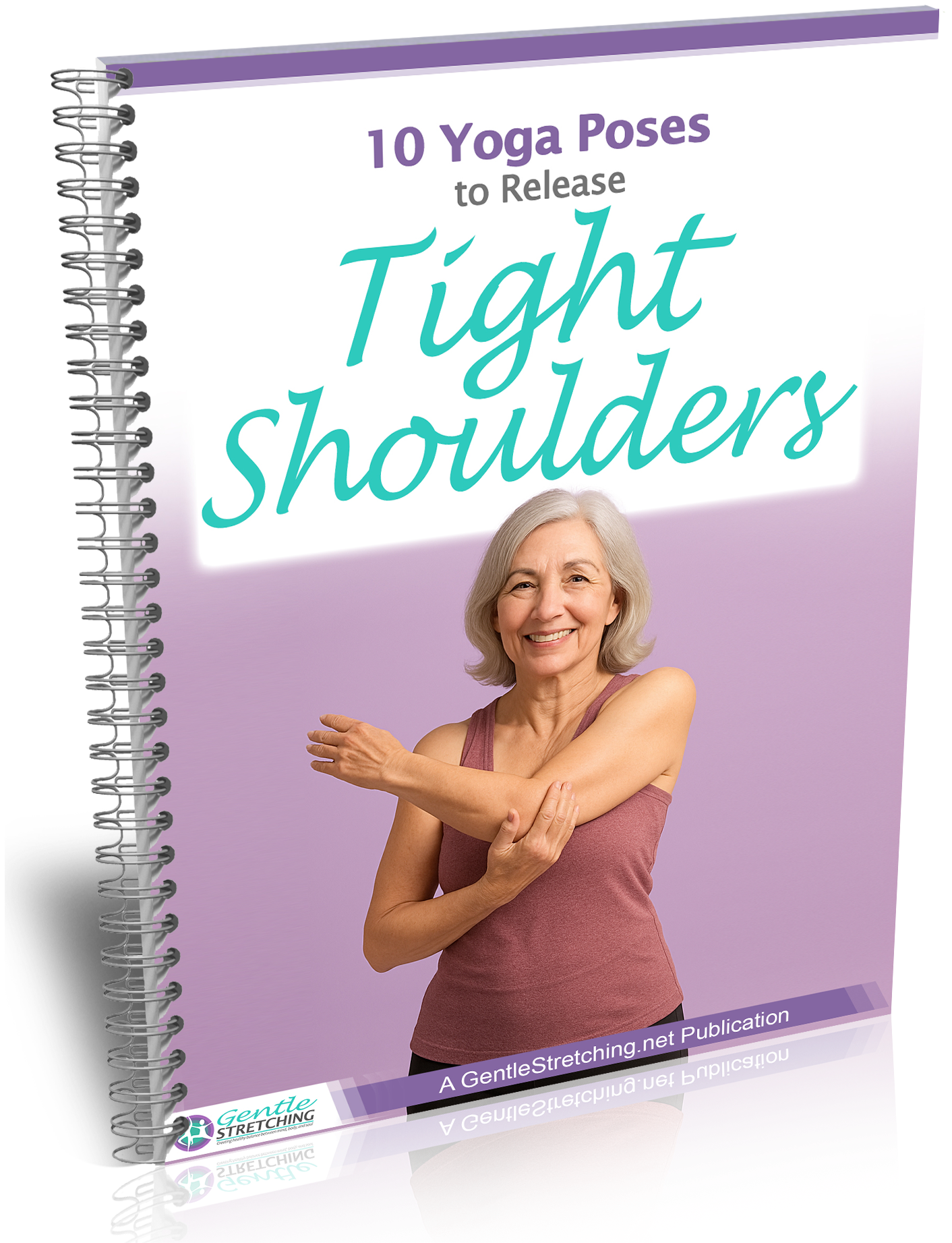
10 Yoga Poses to Release
Tight Shoulders

10 Yoga Poses to Release
Tight Shoulders

Image of the product

Get INSTANT ACCESS to the

10 Yoga Poses to Release Tight Shoulders
program

Right after you order, you can access the full digital version of the program
and download it all onto any computer or mobile device. And you get
lifetime access to everything 24/7/365.

ONLY FOR $19.95

Rick Kaselj and Becca Stanley built it after years of helping thousands of people work through pain, injury, and restriction, especially the kind that doesn’t respond to typical fixes.

Each position is carefully chosen to give your shoulders a chance to move freely again.

You won’t be asked to push harder.

You won’t be stretched past your limit.

Instead, this sequence helps your body feel safe enough to start releasing—gently, gradually, and for good.

The power comes from what the ten poses activate.

They tap into the deep core muscles. The small stabilizers around your spine. The shoulder girdle. The breath.

They wake up the places that quietly support posture, alignment, and balance.

Fascia connects it all, and when that web starts to respond, everything shifts.

Shoulders don’t unlock because you pull on them.

They are released when the body starts moving as a team.

What You’ll Get, How It Works,
and Why It Feels So Different

Component 1

10 Yoga Poses to Release Tight Shoulders

Expert-Guided Video Instruction

Image of the product

This is your shoulder reset in motion.

All ten poses were filmed in one smooth, continuous flow. No need to pause, think, or figure anything out. Just press play, roll out your mat, and move.

The sequence works by layering breath, rhythm, and gentle activation. It guides your system toward release—without pushing, straining, or overthinking.

Benefits You'll Feel:

  • Release tight shoulders without painful stretching or equipment
  • Improve posture, mobility, and range of motion in one simple routine
  • Calm your nervous system and reduce stress through guided breathwork
  • Reconnect with your body and feel stronger, looser, and more confident
  • Follow a ready-to-go flow, just press play and move with the video, no guessing or memorizing required

Component 2

10 Yoga Poses to Release Tight Shoulders

Detailed Reference Manual

Image of the product

This in-depth guide is your companion to the video, helping you understand exactly what each pose targets and why it matters for your posture, breath, and freedom of movement.

Each section includes easy-to-follow instructions, posture cues, and clear illustrations to help you move with confidence and control.

  • Clear breakdowns of each yoga pose for easy reference
  • Visual guidance to support alignment and breathing technique
  • Simple language that makes each movement approachable and repeatable
  • A structured way to stay consistent and track your progress
  • A go-to resource when you want to move without following a screen

Many people feel a difference the very first time they try it.

These 10 yoga poses were chosen to gently loosen tight shoulders, help you move better, and feel more comfortable in your body.

A quick note…

This might not be for everyone.

Shoulder tightness can be tricky, so the routine was made as simple as possible…

Only the most important moves are included to help you feel results fast, without confusion.

The video is easy to follow and can be done anytime, anywhere with no gear and no experience needed.

And if it’s started today, a special offer is waiting…

Get Started Today
And Receive Three Powerful Bonuses

Bonus 1

Free Lifetime Access to the Gentle
Stretching VIP Support Community

Image of the product

With the 10 Yoga Poses to Release Tight Shoulders program, lifetime access is included to a private VIP support group.

Inside this community, expert guidance is available to help answer questions, provide feedback, and offer encouragement. It’s a place where support, clarity, and connection come together to keep progress steady.

The group is designed to help members stay consistent, feel supported, and stay engaged with their shoulder wellness journey.

For many, this group has become the missing piece that helps them stay motivated, avoid setbacks, and feel confident they are not doing it alone.


Bonus 2

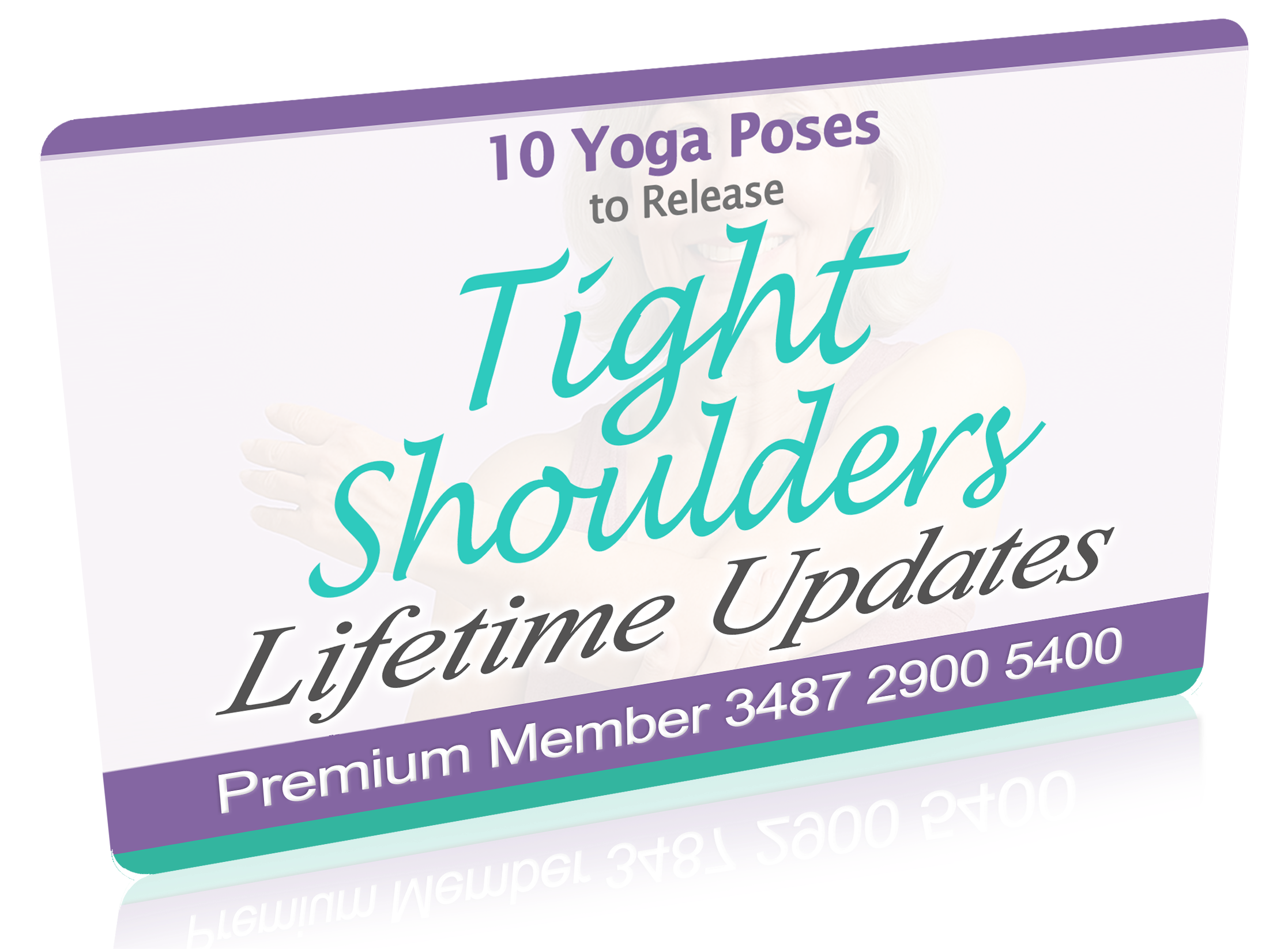
Free Lifetime Updates

Image of the product

Your journey to free, mobile shoulders keeps getting better over time.

As new movements, tips, and helpful strategies are created, this program will be updated to help you keep moving well and feeling great.

All updates are included at no extra cost. The newest and most effective ways to stay loose, strong, and confident will always be shared with you.

Each update is designed to make progress easier, so you never feel stuck or unsure.

With lifetime updates, your path to better posture, easier movement, and lasting comfort stays open now and in the future.


Bonus 3

24/7 Customer Support System

Image of the product

Feel your shoulders start to release, your posture open up, and your movement come back with ease. Stress melts, tension fades, and you're finally back in control of how your body feels.

And if you ever have questions along the way, help is always within reach.

You’ll have full access to our Help Center anytime, plus the option to send us a message whenever you need support.

Whether it’s accessing the digital video and manual, navigating the program, or solving a tech issue, responses are clear, thoughtful, and designed to keep things simple.

Everything is built to make your experience smooth, stress-free, and easy to manage.


100% Money Back Guarantee
Yes, the program comes with a 60-day,
100% guarantee…

You’ll get full access to the program for 60 days. Use it at your own pace. See how your shoulders feel. Notice what changes.

If it works for you, great. If it doesn’t, you're still covered.

Send a quick message, and the entire payment will be returned. Nothing complicated. Nothing dragged out.

This guarantee is here because the method delivers.

And because people should have time to feel that for themselves.

Try it completely. Let your body take it in.

If it’s not a match, the refund is fast and easy.

Pressure-free, fully supported.

arrow

So What’s the Cost?

Here’s exactly what’s included in this complete system...

10 Yoga Poses to Release Tight Shoulders Digital Video
A follow-along guided sequence to soften shoulder tension, release bracing, and restore upper body freedom. Each pose includes clear cues to ensure correct movement and alignment for lasting relief.
($47.00)
10 Yoga Poses to Release Tight Shoulders Digital Manual
An easy-to-follow guide featuring poses that ease shoulder stiffness and melt away tension.Learn proper alignment and mindful movement to restore comfort and freedom in your upper body.
($20.00)
Private VIP Community
Connect with others on the same journey. Share progress, ask questions, and celebrate real shoulder-release wins together.
($19.00)
Free Lifetime Updates
Lifetime updates keep your tight shoulder relief journey fresh and supported.
($37.00)
24/7 Customer Support
Have a question? Our care team is always available to help you get the most from your shoulder release program.
($0.00)
TOTAL VALUE OF ALL COMPONENTS $123.00
Regular Price:
$39.00
YOUR PRICE (If you’re one of the first 100 people to order!) $19.95

Want Your Shoulders To
Move Freely Again?

All you have to do is click the button below.
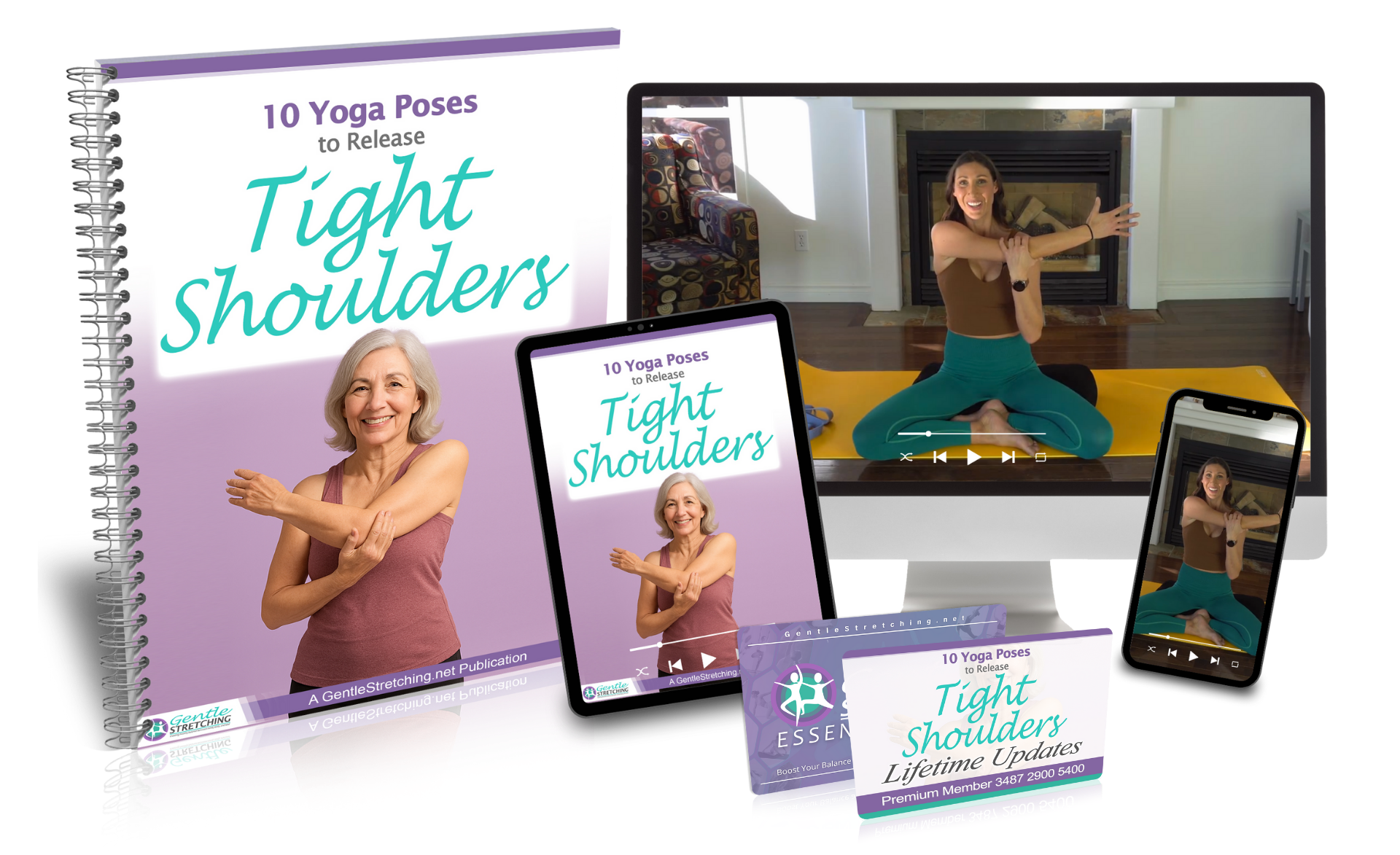
Image of the product

Get INSTANT ACCESS to the

10 Yoga Poses to Release Tight Shoulders
program

Right after you order, you can access the full digital version of the program
and download it all onto any computer or mobile device. And you get
lifetime access to everything 24/7/365.

ONLY FOR $19.95

How to Get Started

Getting started is simple and stress-free.

Click ‘Buy Now’ to unlock full access to the program.

You’ll receive the follow-along video and printable manual.

Press play whenever it suits your day or energy.

The video guides you through each move in real time.

The manual offers posture tips, breath cues, and visual support.

You can follow along on screen or use the manual on its own.

The movements are calm, focused, and built for release, not strain.

It starts with the nervous system and gently works through the muscles.

All you need is a little space, a few minutes, and an open mind.

Get Started

Free Your Shoulders Without Pills, Surgery,
or Endless Stretching

This program is for anyone who feels limited by shoulder
tightness that won’t go away.

If you:

  • Sit for long periods and feel stiff by the end of the day
  • Struggle with reaching or lifting because of discomfort
  • Wake up with tension in your neck, shoulders, or upper back
  • Feel like your body is always holding something, even at rest

Have tried stretching, but the results never last

Woman Holding Shoulder

What Happens When Your Body Finally Lets Go

Susan, Portland
★ ★ ★ ★ ★

I didn’t realize how much tension I’d been carrying until it started to melt. Not all at once, more like layer by layer. I finished the video and just sat there, not aching for once. It caught me off guard, honestly. I’ve done yoga before, but nothing hit quite like this.

Susan, Portland
✔ VERIFIED CUSTOMER
Riley, Seattle
★ ★ ★ ★ ★

My PT said my shoulder mobility was better after a week of this than after three months of band work. That blew me away. I’ve tried a lot of stuff for this shoulder, but nothing stuck. This feels different. Like my body finally gets what I’m asking for.

Riley, Seattle
✔ VERIFIED CUSTOMER
Michelle, Denver
★ ★ ★ ★ ★

I felt like I could exhale for the first time in years. My upper back usually locks up by lunchtime, but I’ve been feeling looser all day. It’s subtle, but steady.

Michelle, Denver
✔ VERIFIED CUSTOMER
Liam, Toronto
★ ★ ★ ★ ★

I thought my body was just getting older. Turns out it was just stuck in protection mode, and this helped it feel safe again. I’m not pushing or pulling, just moving. And somehow that’s made all the difference. It’s gentle, but it works.

Liam, Toronto
✔ VERIFIED CUSTOMER
Greg , Chicago
★ ★ ★ ★ ★

My right shoulder used to click every time I reached for the cupboard. Not painful, but annoying as hell. Two days into this and silence. That click is gone. I still double-check sometimes out of habit, but it’s really not there anymore.

Greg , Chicago
✔ VERIFIED CUSTOMER

Want Your Shoulders To
Move Freely Again?

All you have to do is click the button below.

Image of the product

Get INSTANT ACCESS to the

10 Yoga Poses to Release Tight Shoulders
program

Right after you order, you can access the full digital version of the program
and download it all onto any computer or mobile device. And you get
lifetime access to everything 24/7/365.

ONLY FOR $19.95

The Shift Your Body Has Been Waiting For

It’s a message your body has been waiting to hear. And the moment
it gets it… everything shifts.

bullet-arrow

You sleep better

bullet-arrow

You sit taller

bullet-arrow

You stop bracing

bullet-arrow

You start moving again

bullet-arrow

And you finally stop wondering:“Will this ever go away?”

Woman Raising Arms

Ready to Stop Bracing and Start Living?

Thank you for making it this far.

The 10 Yoga Poses to Release Tight Shoulders program isn’t your typical yoga routine.

Created by Rick Kaselj and Becca Stanley, built for real people in real pain.

You won’t be asked to force deep stretches. There’s no pushing through pain. All it takes is
15 minutes a day.

The focus is on fascia, the connective tissue that locks up under stress, and helping it release
through breath, rhythm, and gentle movement.

Harvard-backed studies show fascia responds best when the nervous system feels safe.
This sequence delivers that exact signal.

You’ll breathe easier. Sit taller. Move without flinching.

People notice. You notice. And the change sticks.

So now you have two options.

Keep stretching, hoping, and working around the pain. Or try something that finally helps your
body let go.

If you're ready, click the button. This could be the moment everything starts to shift.

With gratitude,
Stephanie

Want Your Shoulders To
Move Freely Again?

All you have to do is click the button below.

Image of the product

Get INSTANT ACCESS to the

10 Yoga Poses to Release Tight Shoulders
program

Right after you order, you can access the full digital version of the program
and download it all onto any computer or mobile device. And you get
lifetime access to everything 24/7/365.

ONLY FOR $19.95

Frequently Asked Questions:

Yes — this isn’t just more of the same. These yoga-based movements are gentle, easy to follow, and designed to bring relief quickly, even when everything else has failed. The key is the sequence, the breathing, and the simplicity. Many feel results in just days.

Definitely. This program was made for real people, not gymnasts. The poses are low-impact and beginner-friendly. If you can breathe and sit or lie down, you can do this comfortably and safely.

Each routine takes 15 minutes a day. You can do them in the morning, evening, or whenever works for your schedule. It fits easily into daily life.

Most people feel relief within 3 to 7 days. Some even sleep better after their very first session. Results build with consistency, and you’ll notice your posture, movement, and comfort improve week by week.

Not quite. It’s a carefully designed routine that works step-by-step to restore comfort and movement. It’s more about gentle flows and calming breath than deep stretching or strength. You won’t feel strained or overwhelmed, just supported.

Yes. Whether your shoulder discomfort started recently or has lingered for years, this program meets you where you are. The movements are designed to be gentle, forgiving, and effective even for long-term stiffness. If you’ve had surgery or a specific medical condition, it’s best to consult your doctor before beginning.

Not at all. Each pose is clearly demonstrated with simple instructions. You can follow along at your own pace, pause, repeat, or adjust as needed. Many users say they felt confident within the first few tries.

Nope. Everything is digital. You’ll get instant access to the videos and guides online. You can watch and follow along from your phone, tablet, or computer right after purchase.

Yes. All videos and materials work perfectly on smartphones, tablets, laptops, and desktops, no special tech needed.

If you don’t feel real relief within 60 days, just ask for your money back. No forms, no hassle, no risk. We want this to work for you, and if it doesn’t, you don’t pay.

  1. Stecco, C., Macchi, V., Porzionato, A., Duparc, F., & De Caro, R. (2011). The fascia: The forgotten structure. Italian Journal of Anatomy and Embryology.
  2. Schleip, R., Klingler, W., Lehmann-Horn, F., & Zorn, A. (2019). Fascia is able to actively contract and may thereby influence musculoskeletal dynamics. Frontiers in Physiology, 10, 336.
  3. Findley, T. W., & Schleip, R. (2007). Fascia research: Basic science and implications for conventional and complementary health care. Harvard Medical Review
  4. Fede, C., Albertin, G., Petrelli, L., Sfriso, M. M., Biz, C., De Caro, R., & Stecco, C. (2021). Myofibroblasts in the human shoulder capsule: Potential contribution to shoulder stiffness. Journal of Anatomy.
  5. Hodges, P. W., & Moseley, G. L. (2003). Pain and motor control of the lumbopelvic region: Effect and possible mechanisms. Journal of Electromyography and Kinesiology, 13(4), 361–370.
  6. Wilke, J., Schleip, R., & Yucesoy, C. A. (2018). Not merely a protective packing organ? A review of fascia and its force transmission capacity. Journal of Applied Physiology.
  7. Pirri, C., Petrelli, L., Fede, C., Fan, C., De Caro, R., & Stecco, C. (2022). Thoracolumbar fascia and diaphragm: Anatomical relationship and clinical implications. Clinical Anatomy.
  8. Schleip, R., Jäger, H., & Klingler, W. (2012). What is fascia? A review of different nomenclatures. Journal of Bodywork and Movement Therapies, 16(4), 496–502.
  9. Tesarz, J., Hoheisel, U., Wiedenhöfer, B., & Mense, S. (2011). Sensory innervation of the thoracolumbar fascia in rats and humans. Frontiers in Neurology.
  10. Engel, B. T., & Romano, J. M. (2014). The effect of diaphragmatic breathing on shoulder mobility. Harvard Clinical Studies.
  11. Fernández-López, I., Peña-Otero, D., Atín-Arratibel, M.Á., et al. (2021). Effects of diaphragm muscle treatment in shoulder pain and mobility. Data in Brief, 35, 106867.
  12. Tozzi, P. (2015). A unifying neuro-fasciagenic model of somatic dysfunction — Underlying mechanisms and treatment. Journal of Bodywork and Movement Therapies, 19(2), 310–326.
  13. Eyigor, S., Uslu, R., Apaydin, S., Caramat, I., & Yesil, H. (2018). Can yoga have any effect on shoulder and arm pain and quality of life in patients with breast cancer? Complementary Therapies in Clinical Practice, 32, 40–45.
  14. Atalay, A., Kaya, D., & Saylik, M. (2021). The effect of yoga on posture and musculoskeletal pain in university students. International Journal of Yoga Therapy, 31(1), 45–51
  15. Yadav, R. K., et al. (2022). Effect of yoga-based intervention on shoulder mobility, pain, and emotional well-being. Indian Journal of Physiotherapy and Occupational Therapy, 16(2), 112–117.
  16. Zreik, N. H., Malik, R. A., & Charalambous, C. P. (2016). Adhesive capsulitis of the shoulder and diabetes: a meta-analysis of prevalence. Muscles Ligaments and Tendons Journal. https://doi.org/10.11138/mltj/2016.6.1.026